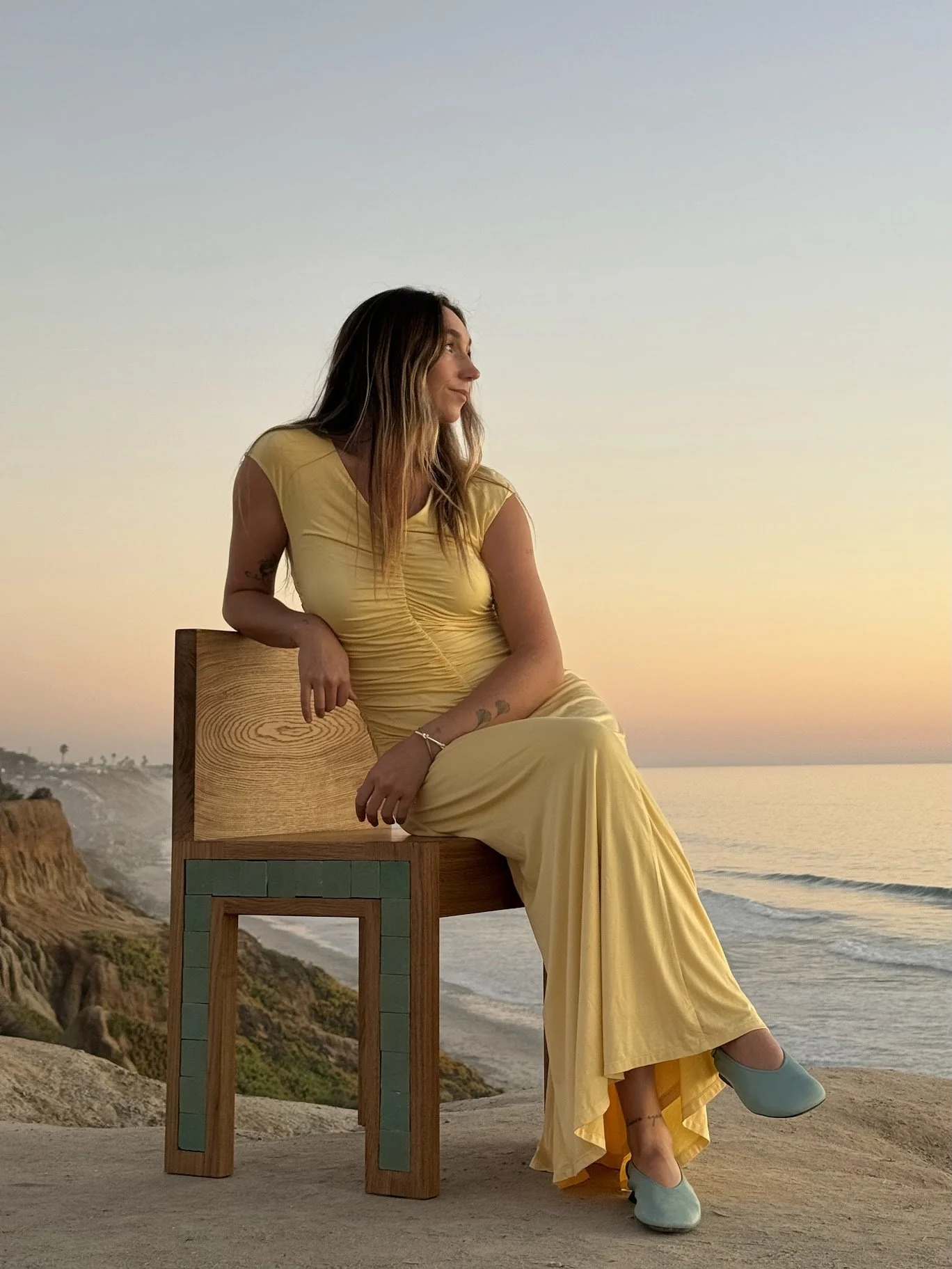
Collection 00: Origins
People often ask me where the idea for Almaré came from and the truth is, it didn’t begin with a chair. It began with a quiet feeling that the life I was living no longer fit.
In 2022, I packed up my apartment in Brooklyn, NY and sold nearly everything I owned. I was preparing to move across the world to start a new chapter to be with a boy I loved. The plan was simple enough, spend 10 days in Bali before continuing to New Zealand.
Life, as it does, had other plans.
What was supposed to be a brief stopover became a few months living in Indonesia, and it became one of the most transformative experiences of my life. At the time, I didn’t realize it, but I was standing at the edge of complete reinvention.
Before Bali, I had spent years chasing opportunities, moving cities, trying to force my way forward and measuring my own worth by how productive I could be. I was ambitious, restless and always searching for the next thing. From the outside, it looked like I had everything figured out.
I didn’t. I was exhausted and burnt out.
For the first time in years, I wasn’t focused on what came next. Instead, I found myself completely in the present. Bali forced me to slow down and with that, life felt simpler.
I immersed myself in the culture as much as I could. I learned how to cook traditional meals. I spent afternoons wandering through villages, getting lost down roads I hadn’t planned on taking and saying yes to invitations from people who were still strangers a few hours earlier. I found myself welcomed into people’s homes, sharing meals and listening to stories through broken english, and being cared for in a way that felt almost foreign to me at the time.
In Lombok, I spent time with Sasak women learning traditional weaving techniques that have been passed down generations. Sitting beside them, I learned that weaving and traditional Batik was a cultural rite of passage. Before marriage, a woman is expected to weave pieces for herself, her future husband and, her mother-in-law. The textiles carried stories, symbols, and traditions far older than the woman making them.

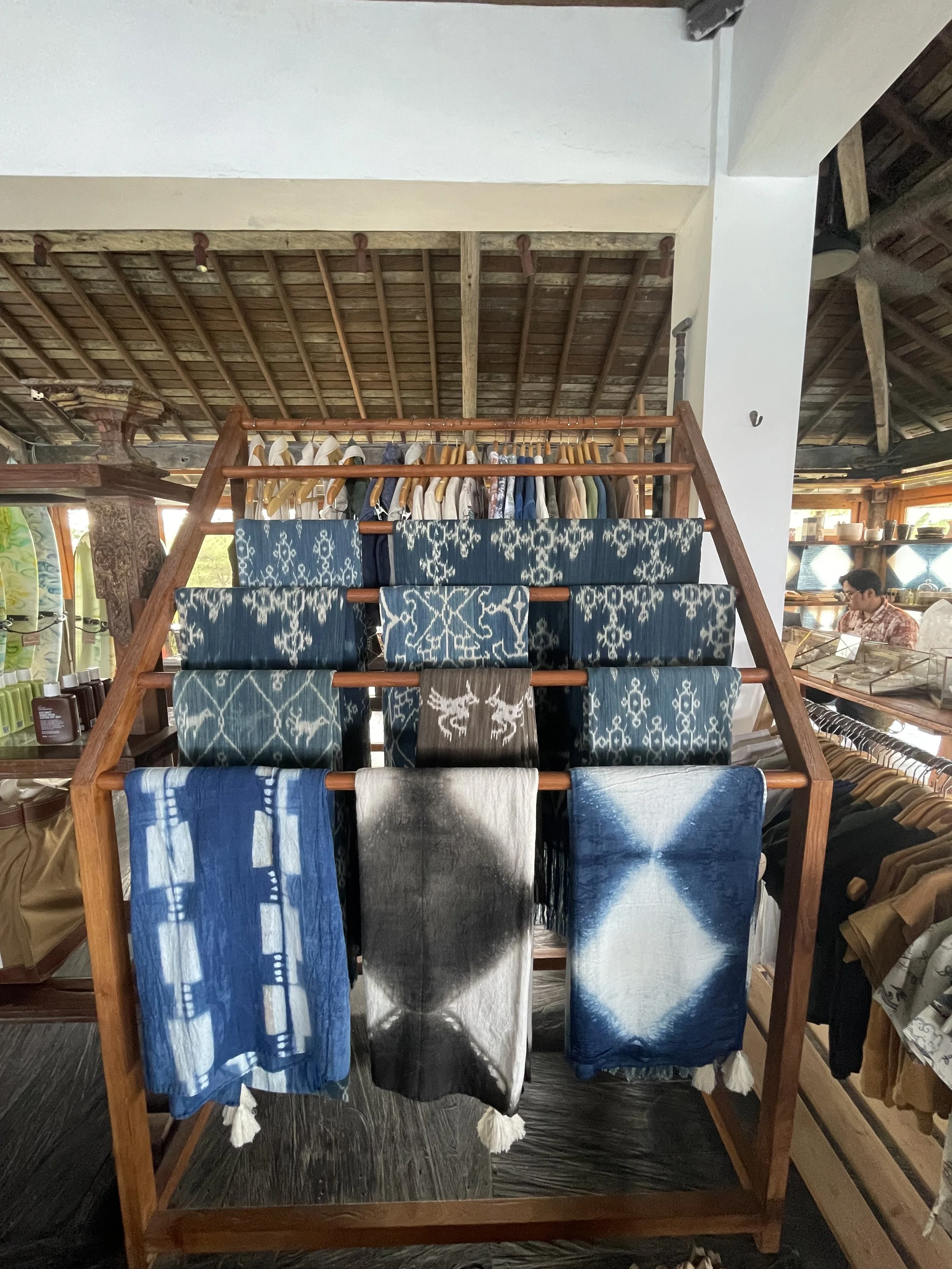
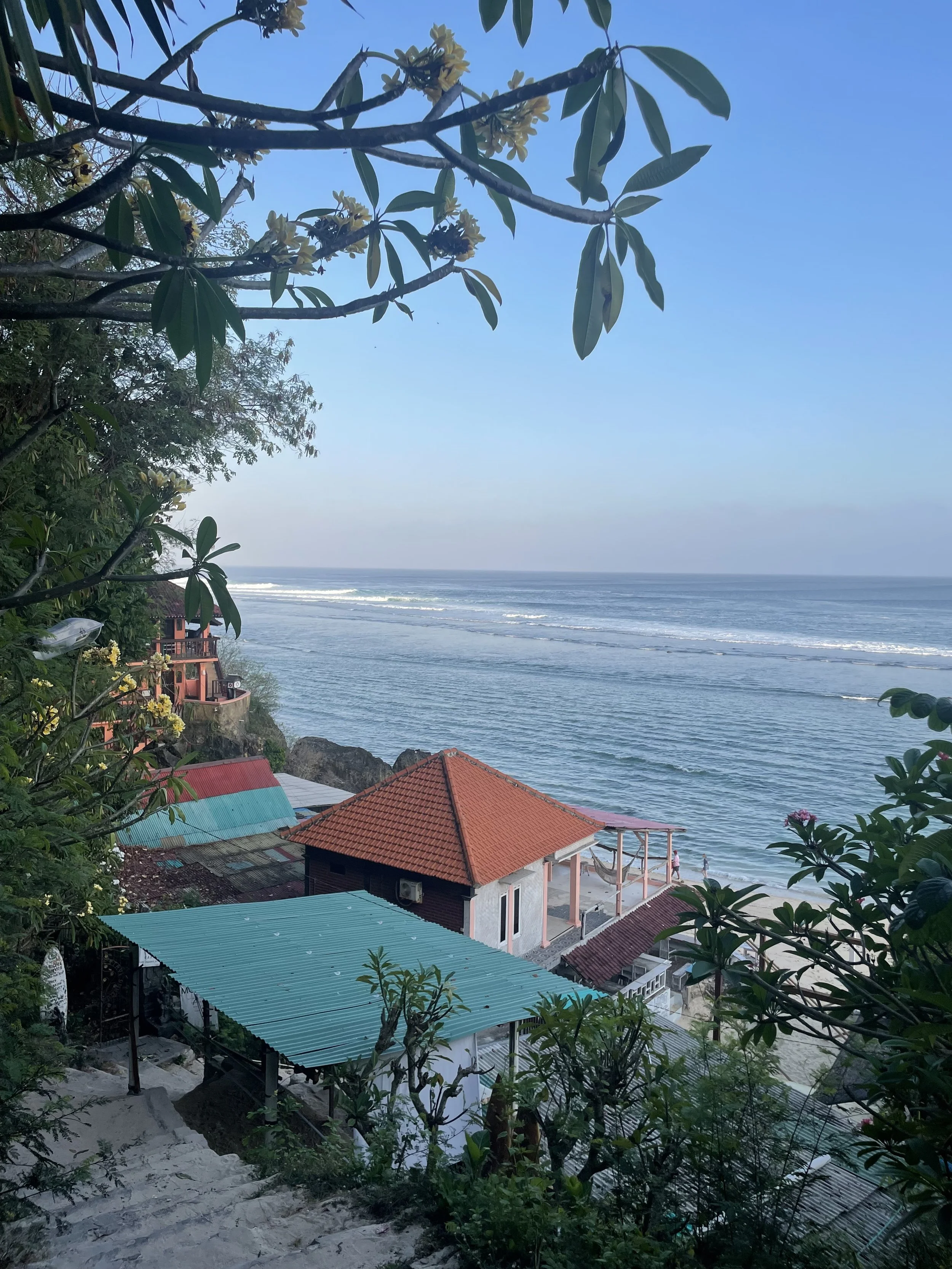
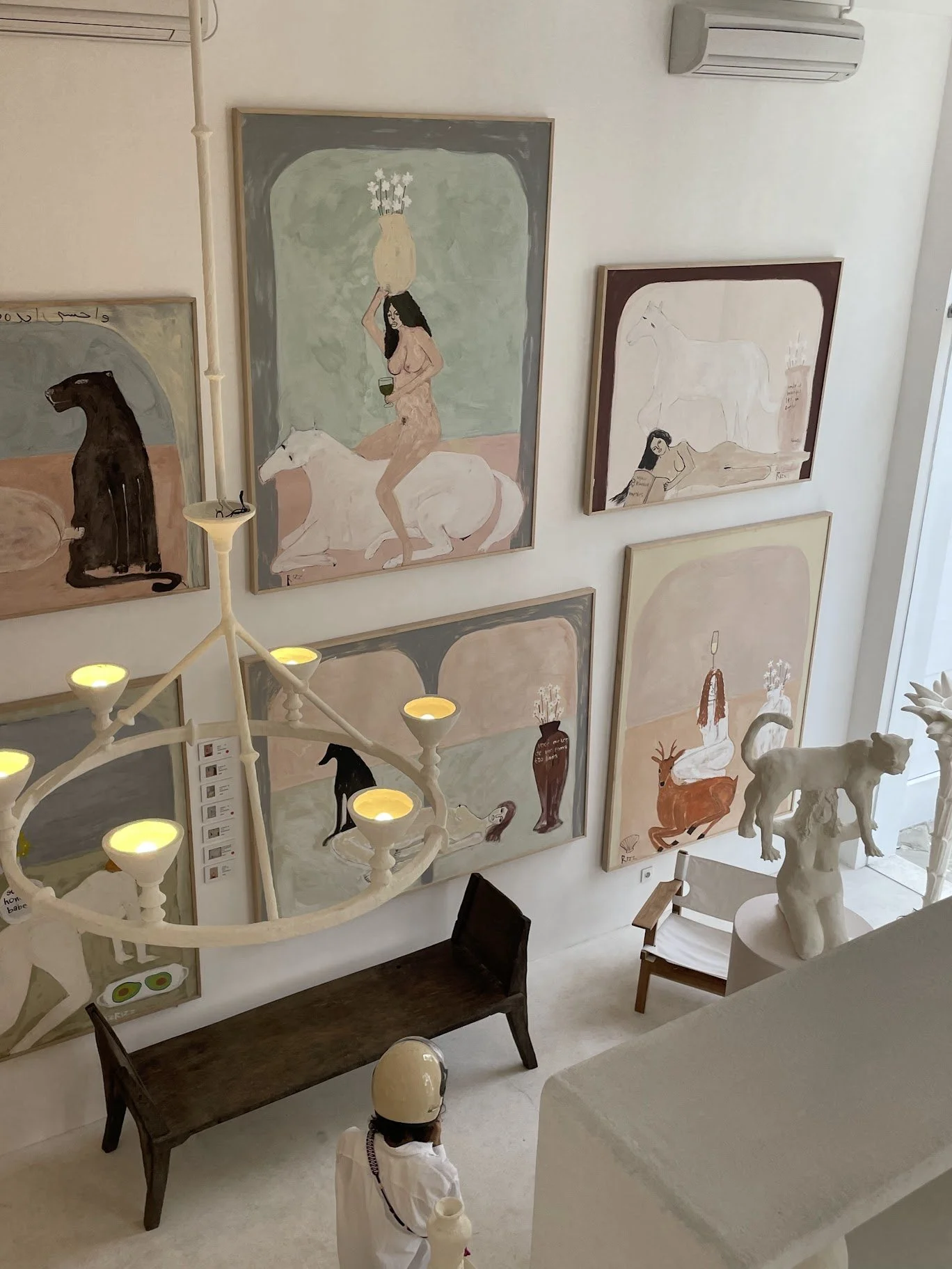

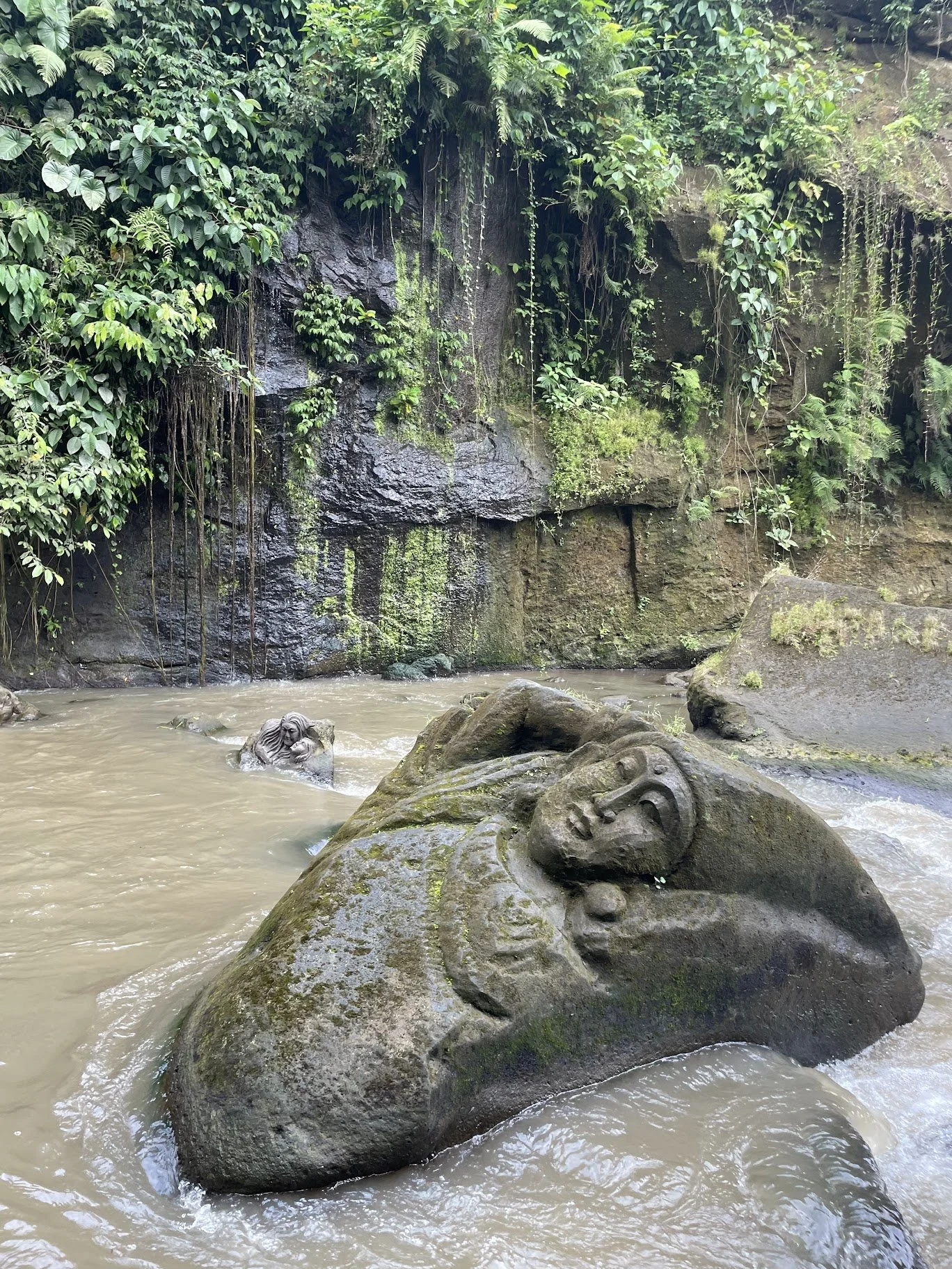
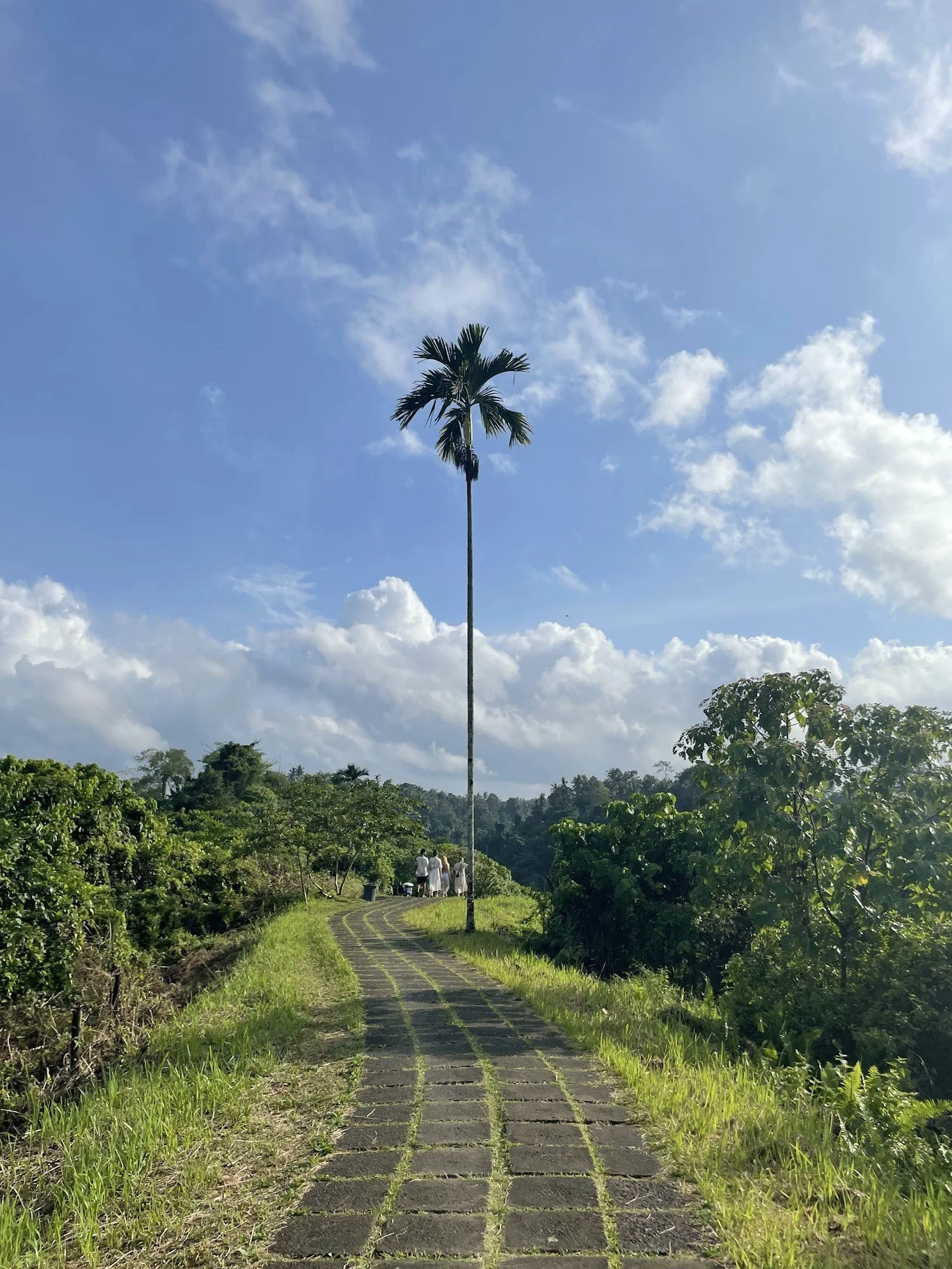
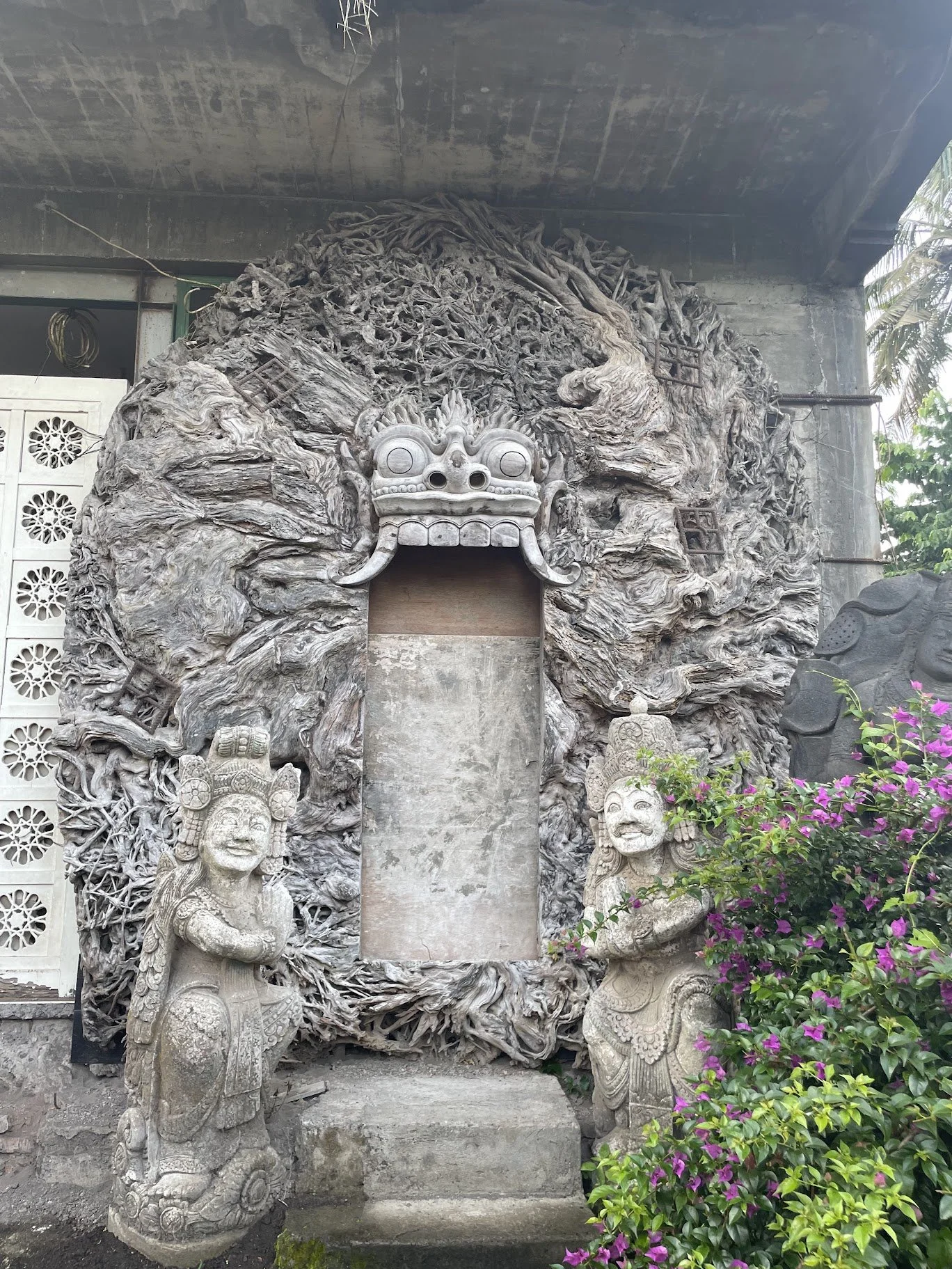
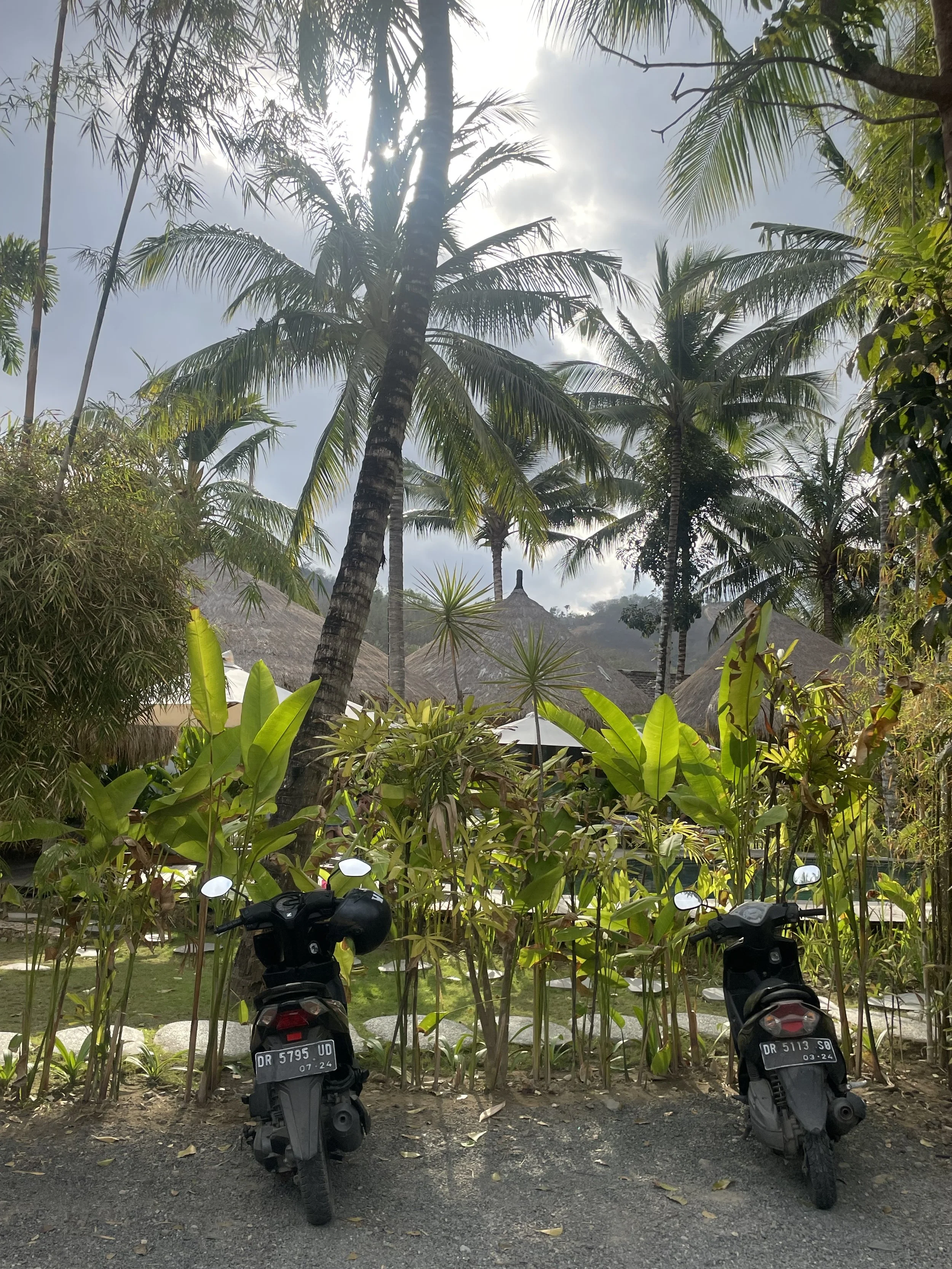


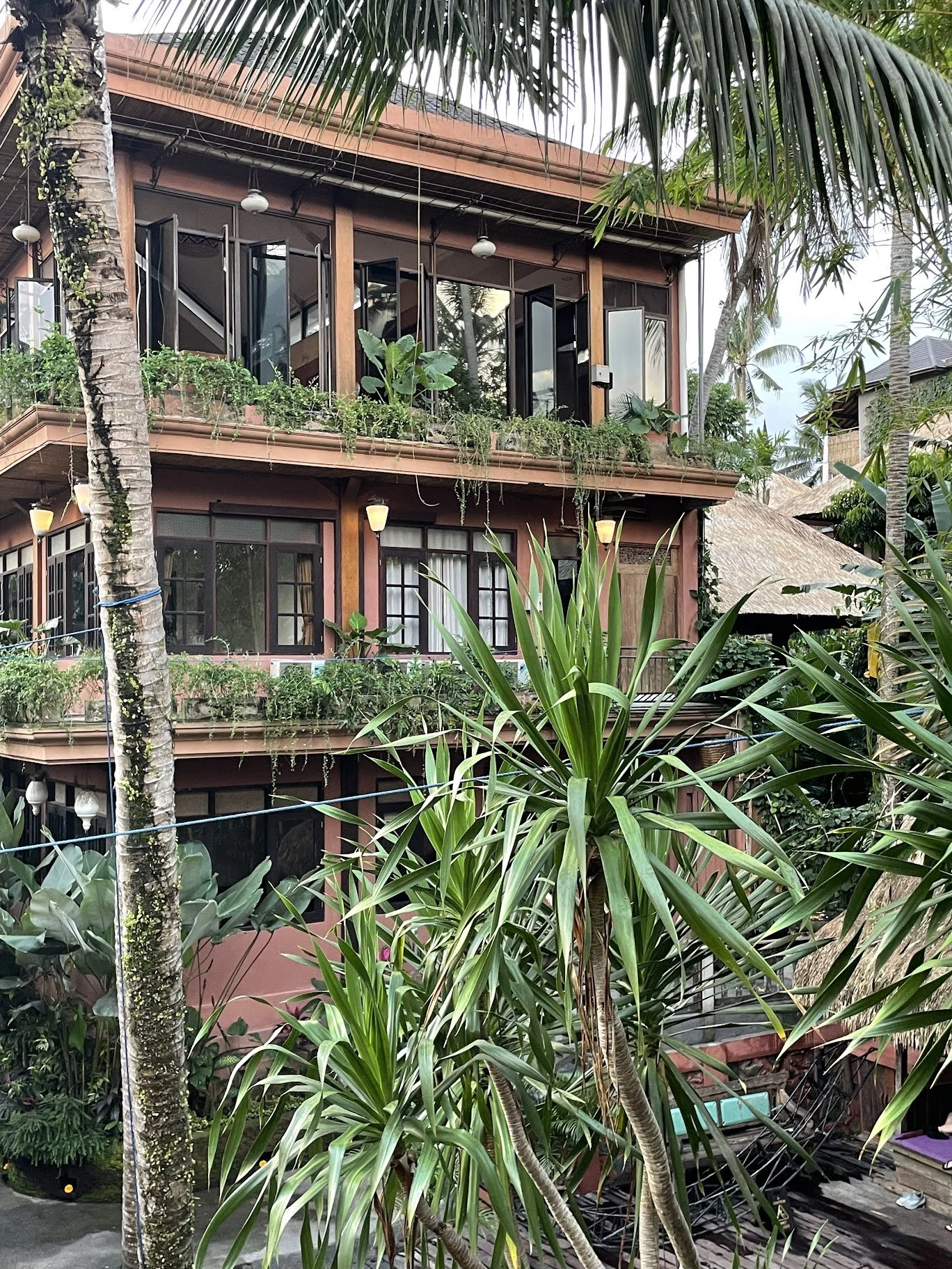

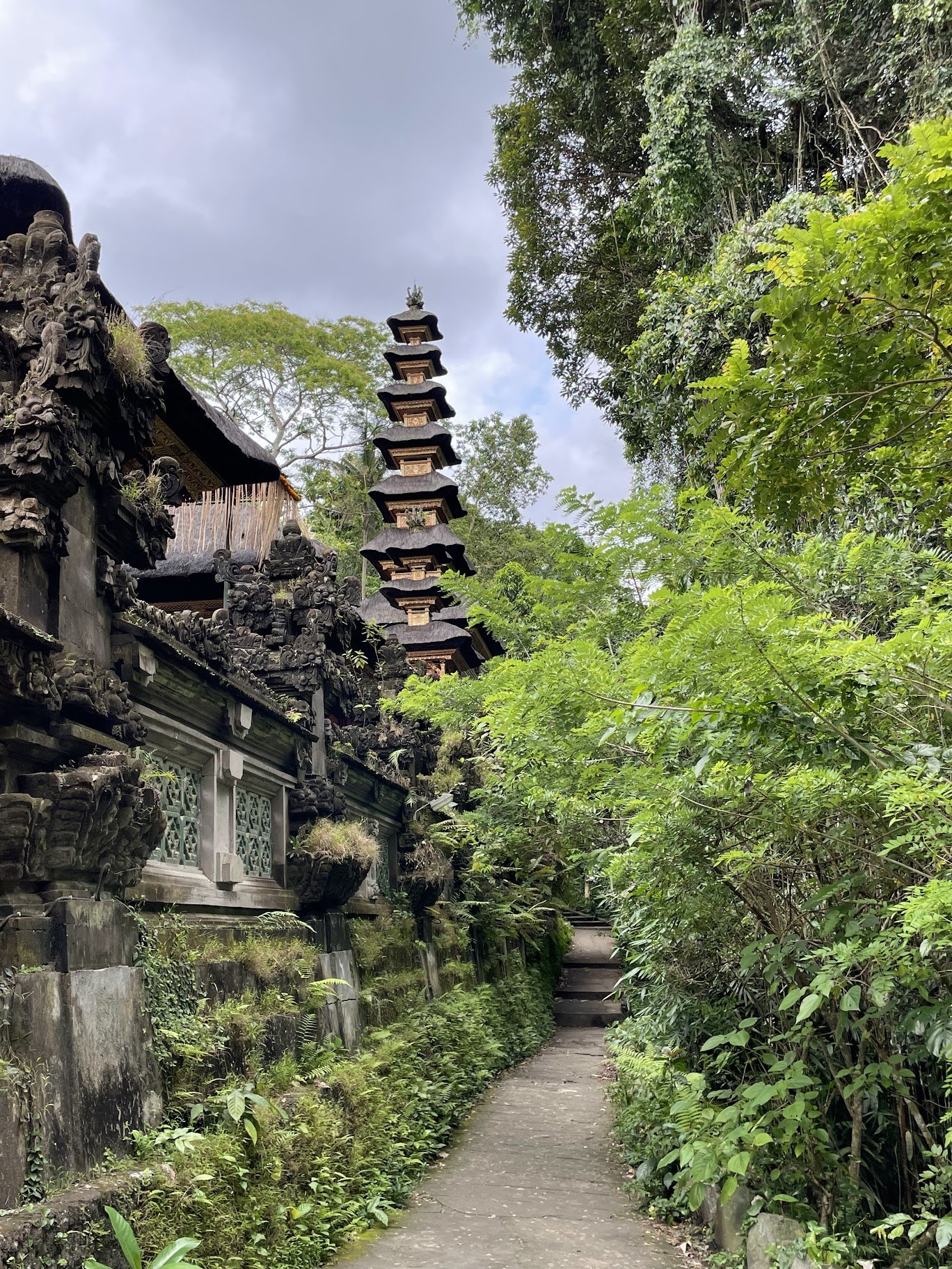
I became fascinated by the relationship between people, place and the things we create. The more time I spent with artisans and makers, the more I realized that the objects we carry have a soul. They reflect generations of knowledge, tradition and cultural identity. I saw it in the women weaving textiles in Lombok, carrying forward techniques that had been passed down for generations. I saw it in family recipes, where meals were prepared not from written instructions, but from memory, intuition and tradition. Whether it was a woven textile, a shared meal or handmade object, each carried a story of the people who came before it. Bali taught me to see the creative process through a lens of curiosity and that shift changed everything for me.
Looking back now, I can trace back to when the idea of Almare started to take shape. Not because I wanted to start a furniture brand but because for the first time, I gave myself permission to imagine a life built around creativity, craftmanship, travel and meaningful experiences.
After Bali, I moved to Southern California, where I brought those lessons with me. It wasn’t until years later, while sitting at home listening to a vinyl that reminded me of Uluwatu, a familiar feeling returned. I could suddenly picture a chair inspired by the place that changed my life. Not as sketch or a technical drawing, but as a complete image and feeling. It was as if the universe was giving me a quiet nudge in the right direction, connecting threads I didn’t realize had been weaving themselves together for years.
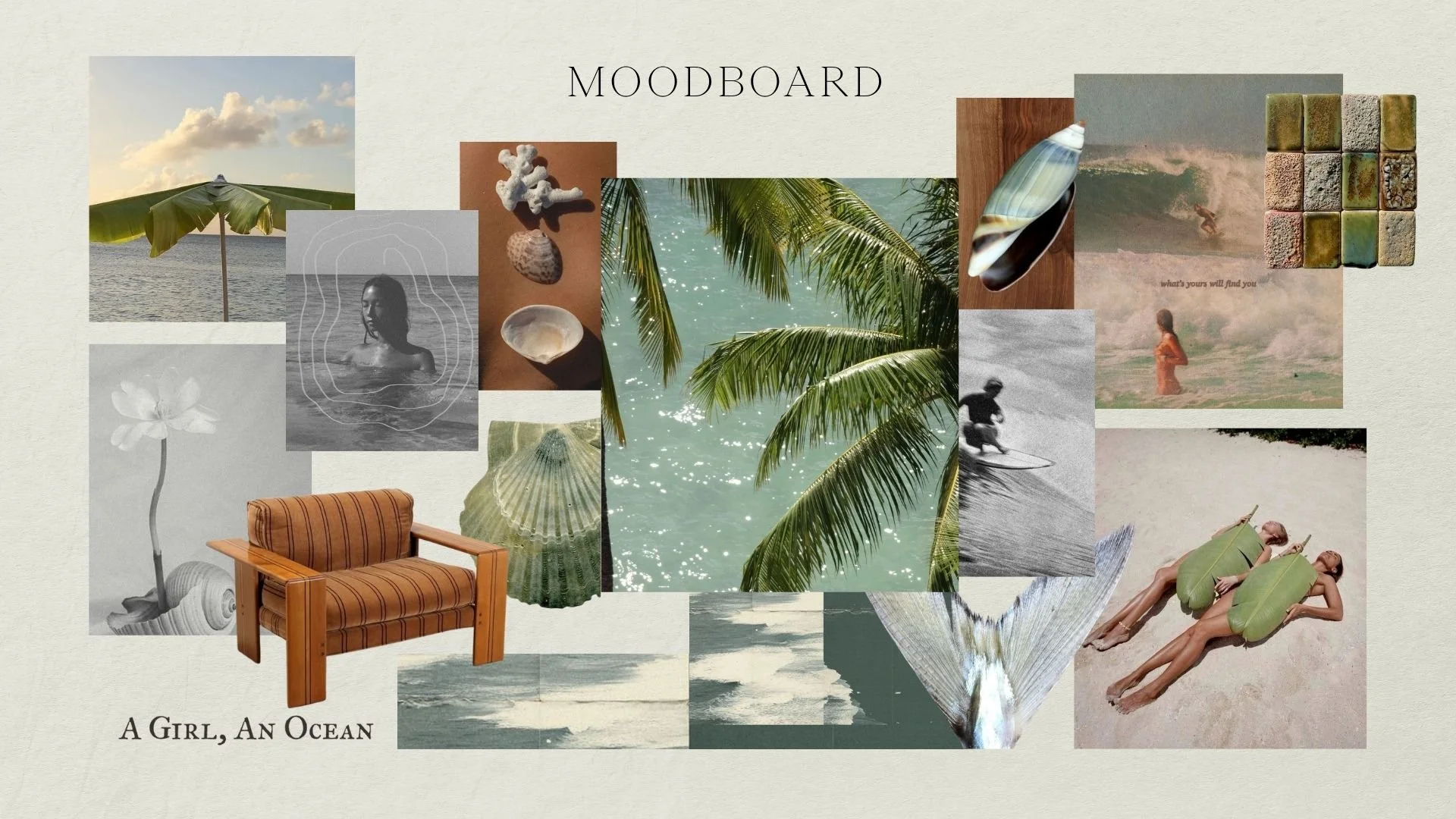
That vision would eventually become the Ulu Dining Chair.
Named after Uluwatu, the chair draws inspiration from the dramatic coastline, turquoise waters, and slower rhythm of life I experienced there. The form was designed to feel grounded yet soft, structured yet relaxed. I wanted it to embody the feeling of returning home after a long day in the ocean.
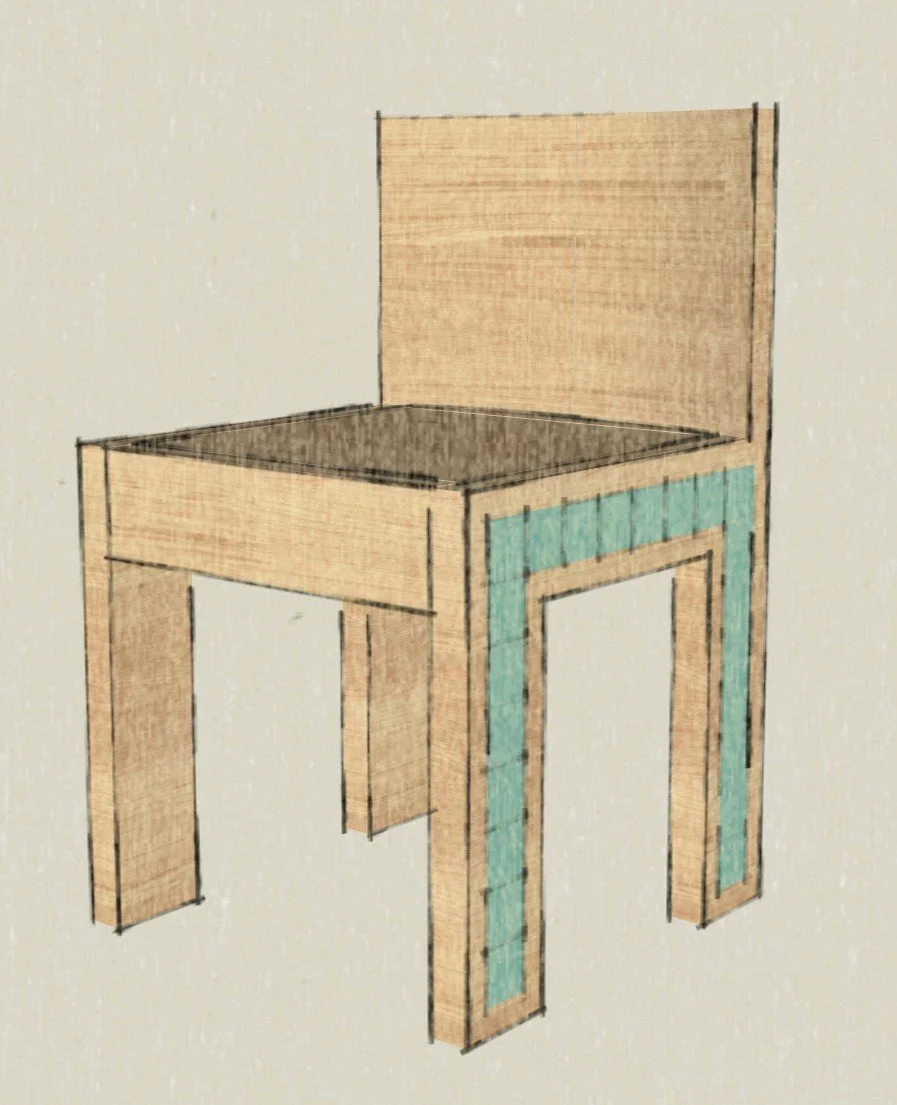
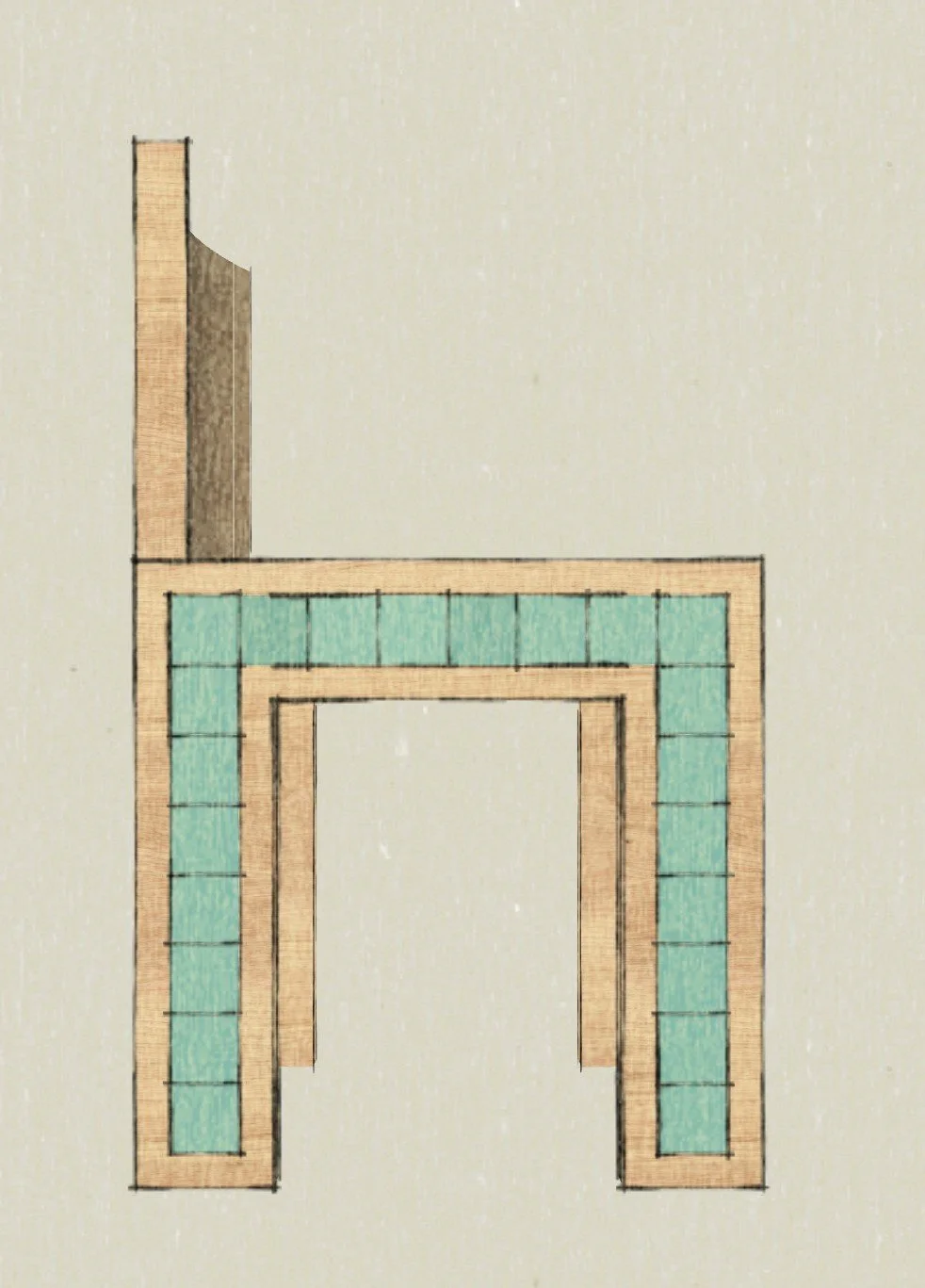
Material selection became an important part of that story.
Solid oak was chosen for its warmth, durability, and ability to age gracefully over time. Hand-set zellige tile was incorporated to introduce movement, texture, and subtle shifts in light, reminiscent of sunlight dancing across water. Together, these materials celebrate natural variation and the beauty of objects that become more meaningful with age.
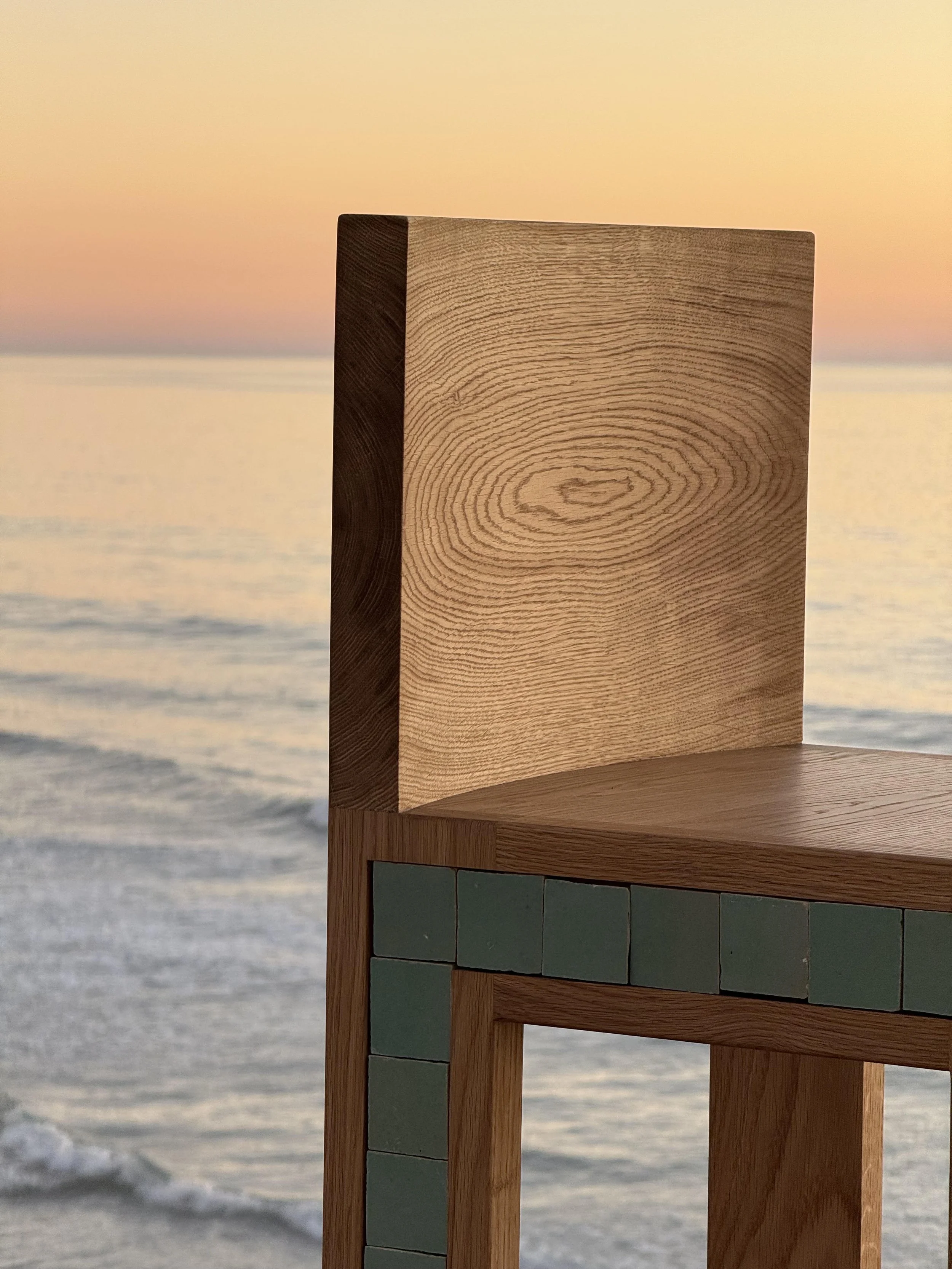
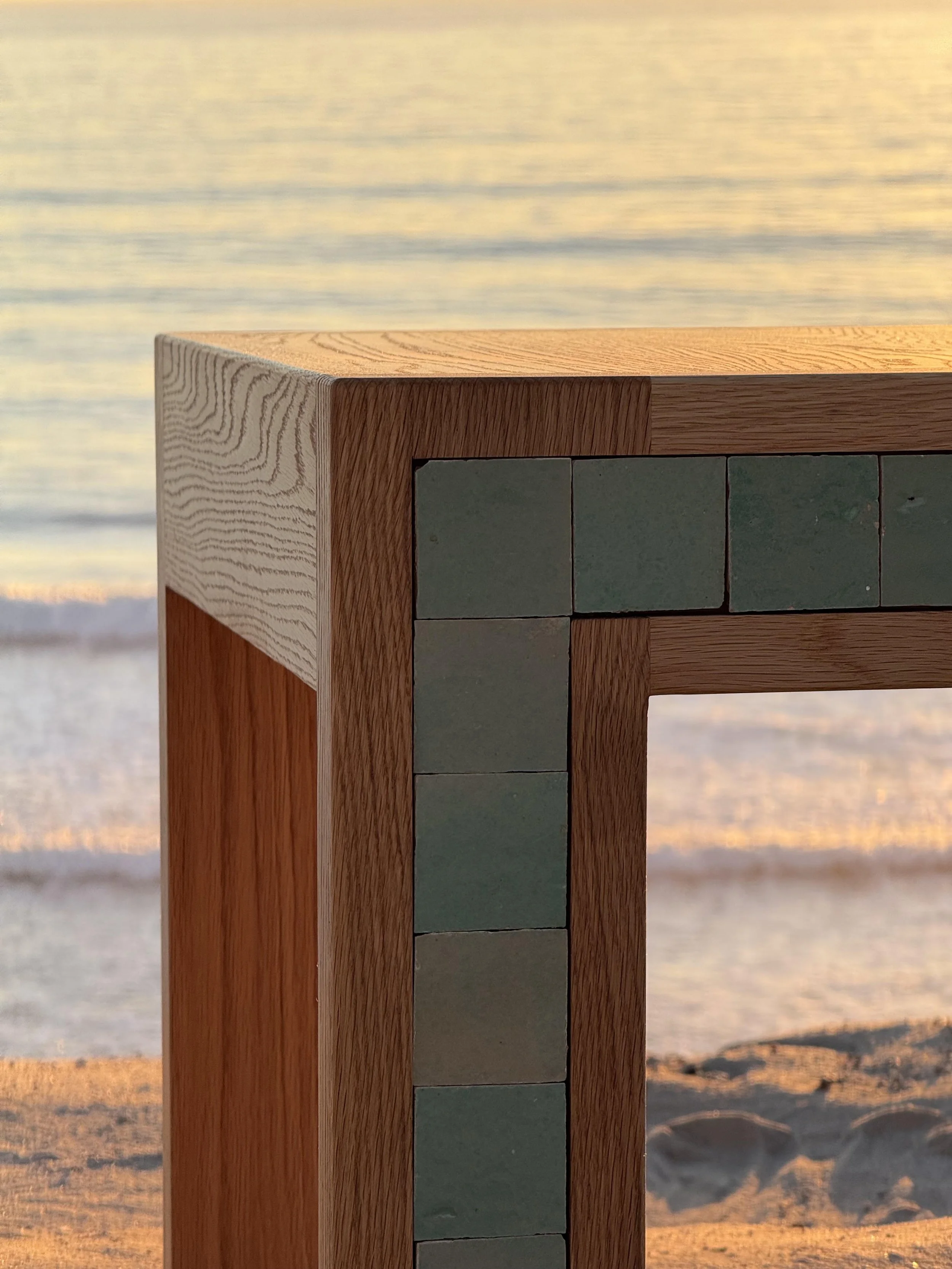
Bringing the chair to life was a collaborative effort. Working alongside my friend, Will, who reinforced one of the core values behind Almaré: meaningful design is never created alone. Every piece carries the knowledge, care and dedication of the people who helped make it possible.
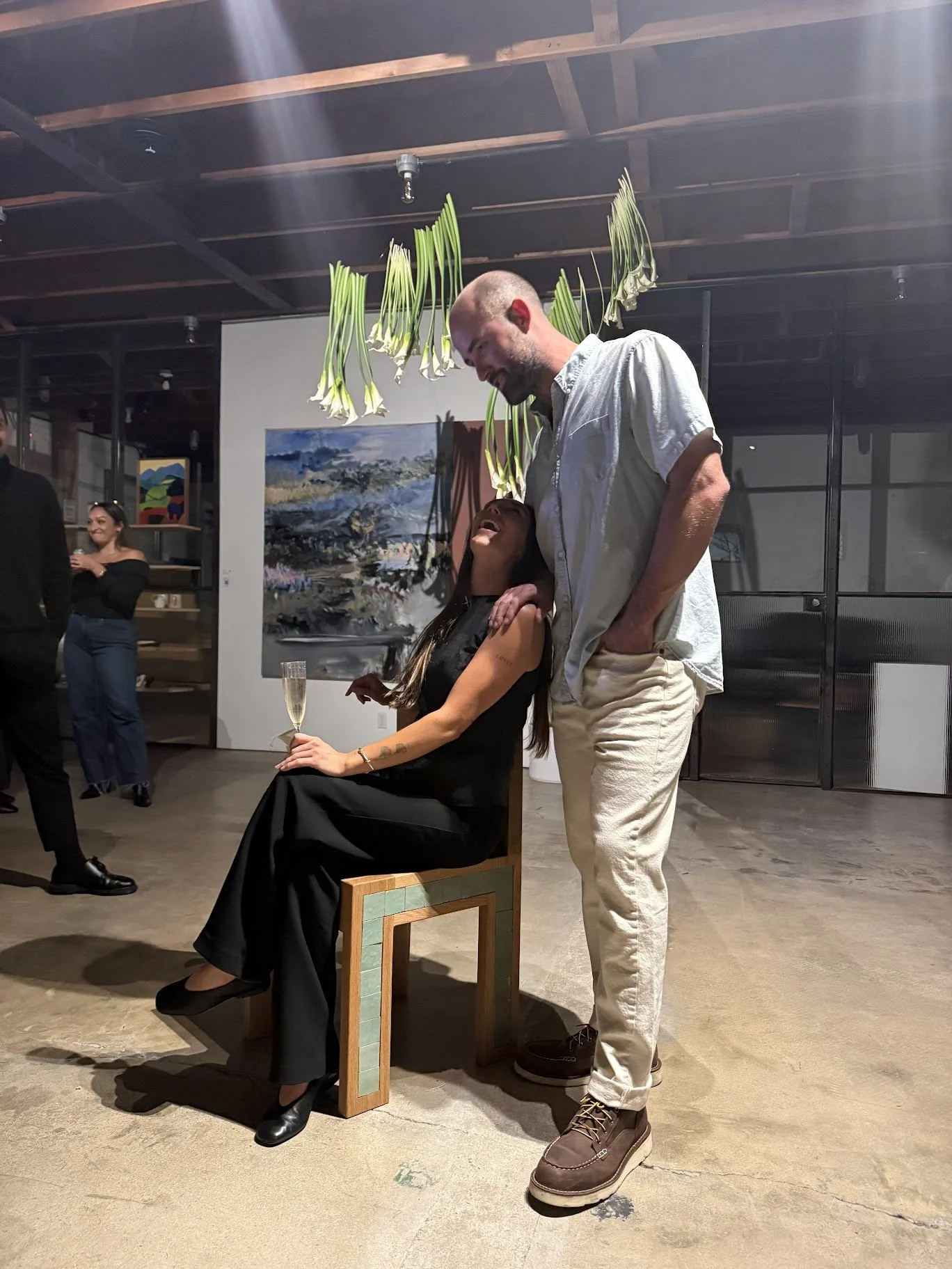
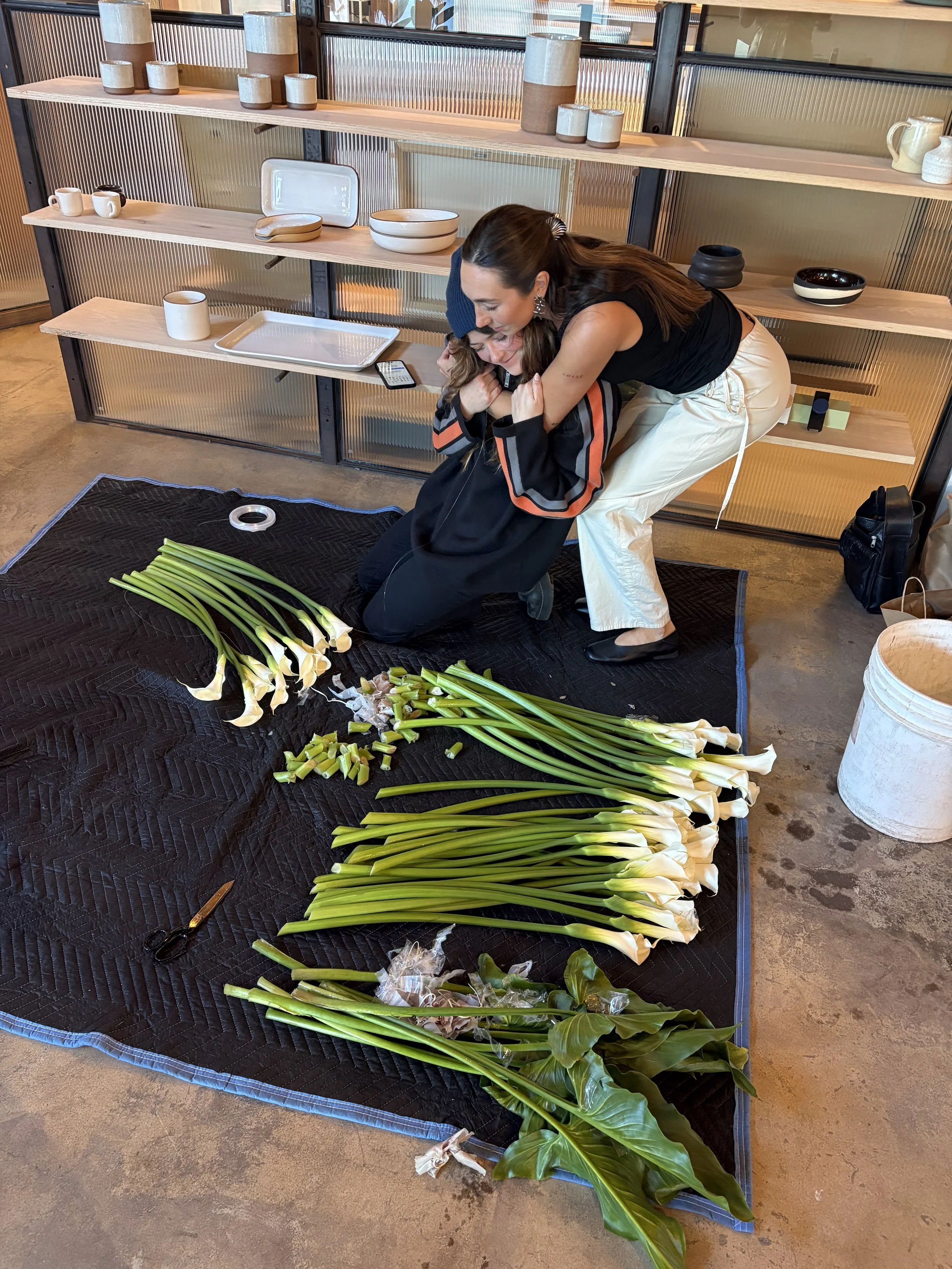
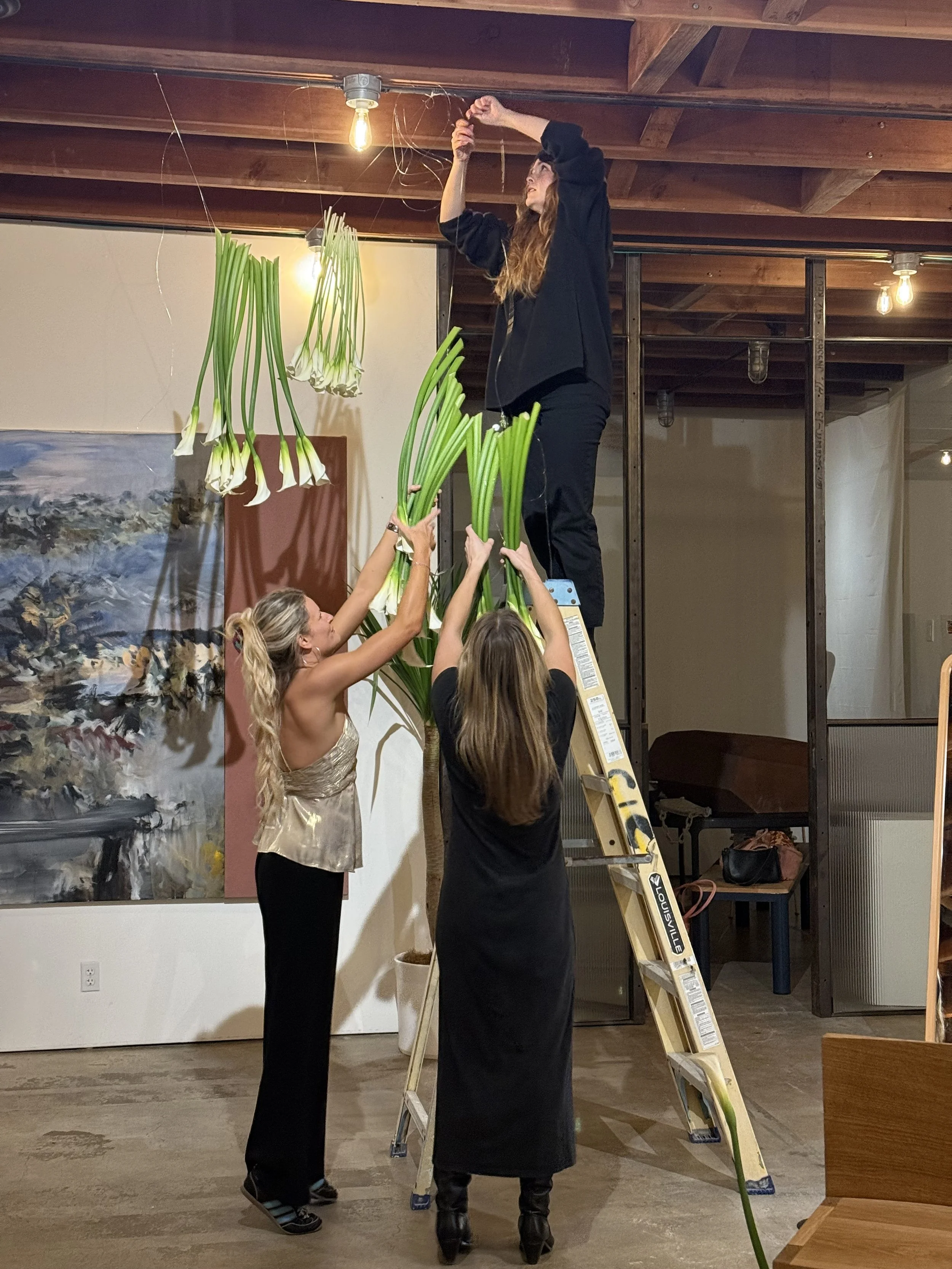
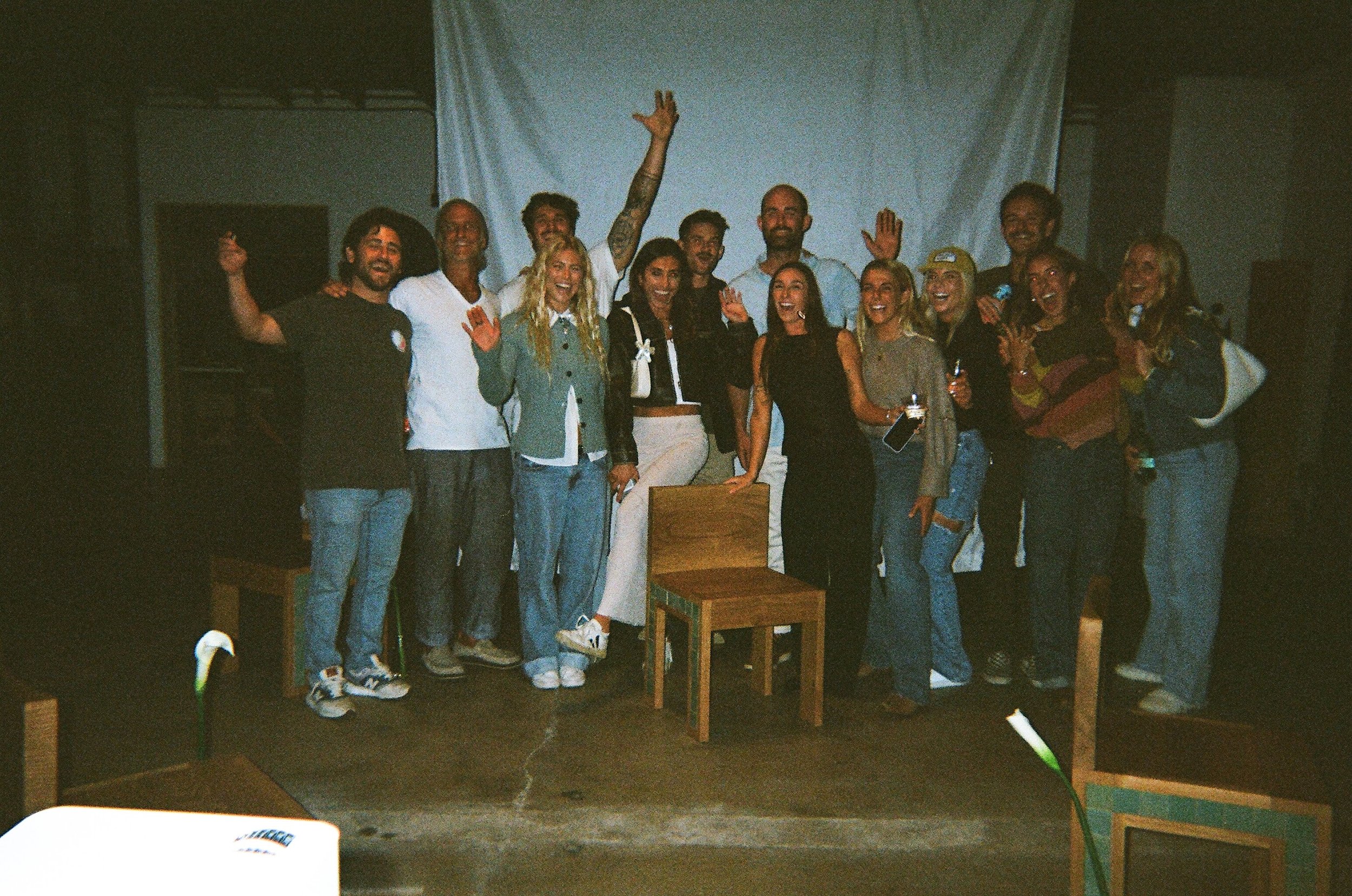
Origins represents more than a furniture collection.
It is a reflection of growth, curiosity, and the courage to follow a creative path that didn't always make sense on paper.
It is a reminder that some of the most meaningful journeys begin when we slow down long enough to listen to ourselves.
And for me, it all began in Bali.